Healthcare professionals face intense pressure after medical harm happens. While communicating with patients and families after harm is an important step in the harm response process, most healthcare professionals have not had formal training on how to do it well. With limited guidance and time pressure to “handle it quickly,” professionals often feel unprepared and unsupported.

Now, there is a training course that can help.
The Certified Medical Harm Communicator Course from Comms Corps can provide immediate, practical skills that healthcare professionals can apply when communicating with patients and families; this includes a greater understanding of what to say to patients and families, what not to say, and how to stay honest while respecting legal concerns.
More about the course:
Supports implementation of your Communication and Resolution Program (CRP) to meet the CMS Patient Safety Structural Measure for hospitals (Domain 4: Accountability & Transparency)
On-demand and self-paced
Includes 4.0 Continuing Medical Education (CME) credits provided by AffinityCE
This course was created for healthcare facilities who want to give their providers and leaders the language, confidence, and accountability needed to respond to patients and families after medical harm.
This training is built for every healthcare professional:
Clinicians: Build confidence in the hardest conversations—from disclosure to follow-up
Risk & Compliance Teams: Train your team to meet regulatory requirements with compassion & clarity
Patient Safety Leaders: Equip teams with the disclosure skills required by CMS Patient Safety Structural Measures
Oregon facilities want more communication training.
In 2025, the Oregon Patient Safety Commission learned through a survey of healthcare facilities across Oregon that, while ongoing support for patients and families was an essential part of every response after harm, less than half of facilities provide that ongoing support. Facilities reported needing practical support and virtual, interactive learning that addresses communication with patients and families, support for involved healthcare professionals, and learning from and preventing harm.
Created by experts with lived experience.
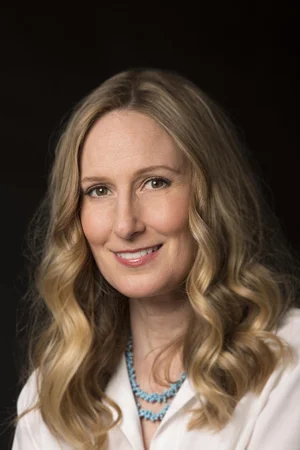
Comms Corps, a mission-driven organization born from a shared understanding of the profound impact communication has in the aftermath of medical harm, was founded by two industry experts with lived experience in medical harm: Leilani Schweitzer draws on over 12 years leading the Communication and Resolution Program at Stanford Healthcare, and her own experience as a mother after her son, Gabriel, died from medical errors. Kyle Sweet has decades of experience as a lawyer working for healthcare systems and providers managing complex litigation and advising clients on risk and safety issues across the country. Learn more about Leilani and Kyle.
What you can do next:
Learn more about medical harm communication trainings on the Comms Corps website
Attend the NW Patient Safety Pros Meeting on December 10, 2026, where you can hear from Leilani and ask her questions about how to apply this approach to your own organization
Get in touch with Comms Corps to learn more
You may also be interested in…